
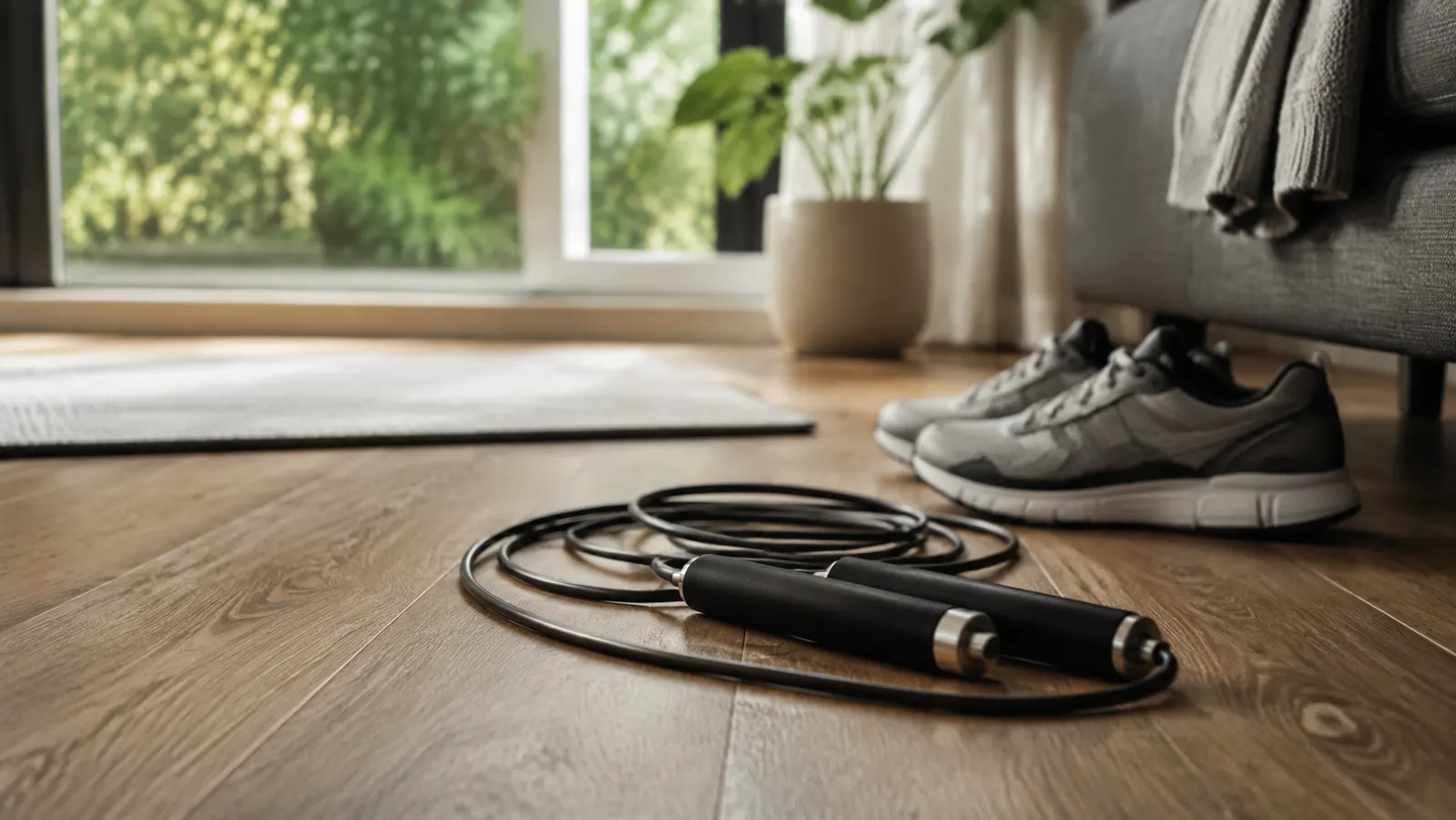
I have a confession to make. I bought the SPORTBIT Adjustable Jump Rope expecting it to be junk. Not because I am a snob about exercise equipment, but because it costs pocket change, less than a Chipotle burrito. When the package arrived, I opened it standing at the kitchen counter, spun the cable a couple of times, and thought, well, that was pocket change I will not see again. Then I took it outside and jumped rope for five minutes. And then I did it again the next day. And the day after that. Three months later, the rope is still here, I reach for it almost every day, and I have to admit I was wrong about it.
The Quick Verdict
For a product that costs less than a fast-food lunch, the SPORTBIT jump rope delivers smooth bearing rotation, comfortable foam handles, and surprising durability. It is not a competition-grade speed rope and the thin PVC cable takes practice to control. But for daily home cardio on a budget, it punches far above its weight.
Amazon Check Today's Price →Skip the expensive gym cardio gear. This budget rope is all you need to start.
After three months of daily use, I can honestly say the SPORTBIT jump rope has earned a permanent spot in my home workout routine. It takes up zero space, costs pocket change, and delivers a real cardio workout that leaves me breathing hard every time.
Amazon Check Today's Price on Amazon -> →How I've Used This Rope
I jump rope on a concrete patio behind my house. Not a gym floor, not a fancy rubber mat, just the bare concrete that has been back there since we bought the place. My wife Mary likes to sit in her chair by the back door and watch while I do my rounds, so I set up in the spot where she can see me through the glass. I do three-minute rounds with thirty seconds of rest in between, usually five or six rounds depending on how my knees feel that day. Sometimes I do it first thing in the morning before I start my online work. Sometimes I do it in the afternoon when I need a break from sitting at the computer.
The SPORTBIT rope has taken a real beating on that concrete. Concrete is about the worst surface you can jump on for cable wear because it is abrasive and unforgiving. I expected the PVC coating to start peeling within a week. Three months in, the cable shows some light scuffing where it hits the ground, but I see no fraying, no kinking in the middle section, and no loss of spin speed. The foam handles have compressed slightly where I grip them, but they have not cracked or separated from the plastic core in any way that affects use. I weigh about 185 pounds and I am not what anyone would call a graceful jumper, so if the rope was going to break under normal use, it would have broken on me by now.
I started with two-minute rounds and worked up gradually. The first week I could barely manage three rounds without stopping to catch my breath. By the end of the first month I was doing five rounds of three minutes each, which is about fifteen minutes of actual jumping per session. That does not sound like much time, but fifteen minutes of jump rope at a moderate pace burns roughly the same calories as a thirty-minute run according to the comp charts I have seen. And I can do it in the time it takes Mary to finish her morning coffee, which means I get my cardio done before the day even gets going.

What Nobody Tells You About a Cheap Jump Rope
Here is the thing about jump ropes that nobody tells you when you are shopping for home cardio equipment. The expensive ones are not really that much better for most people. A pricier speed rope from a sporting goods store has better bearings, a heavier cable, and premium handles. But the difference between that rope and the budget SPORTBIT is not nearly as big as the five-times price gap suggests. I have tested both, and the reality is that for basic jump rope work, the difference is smaller than you would think.
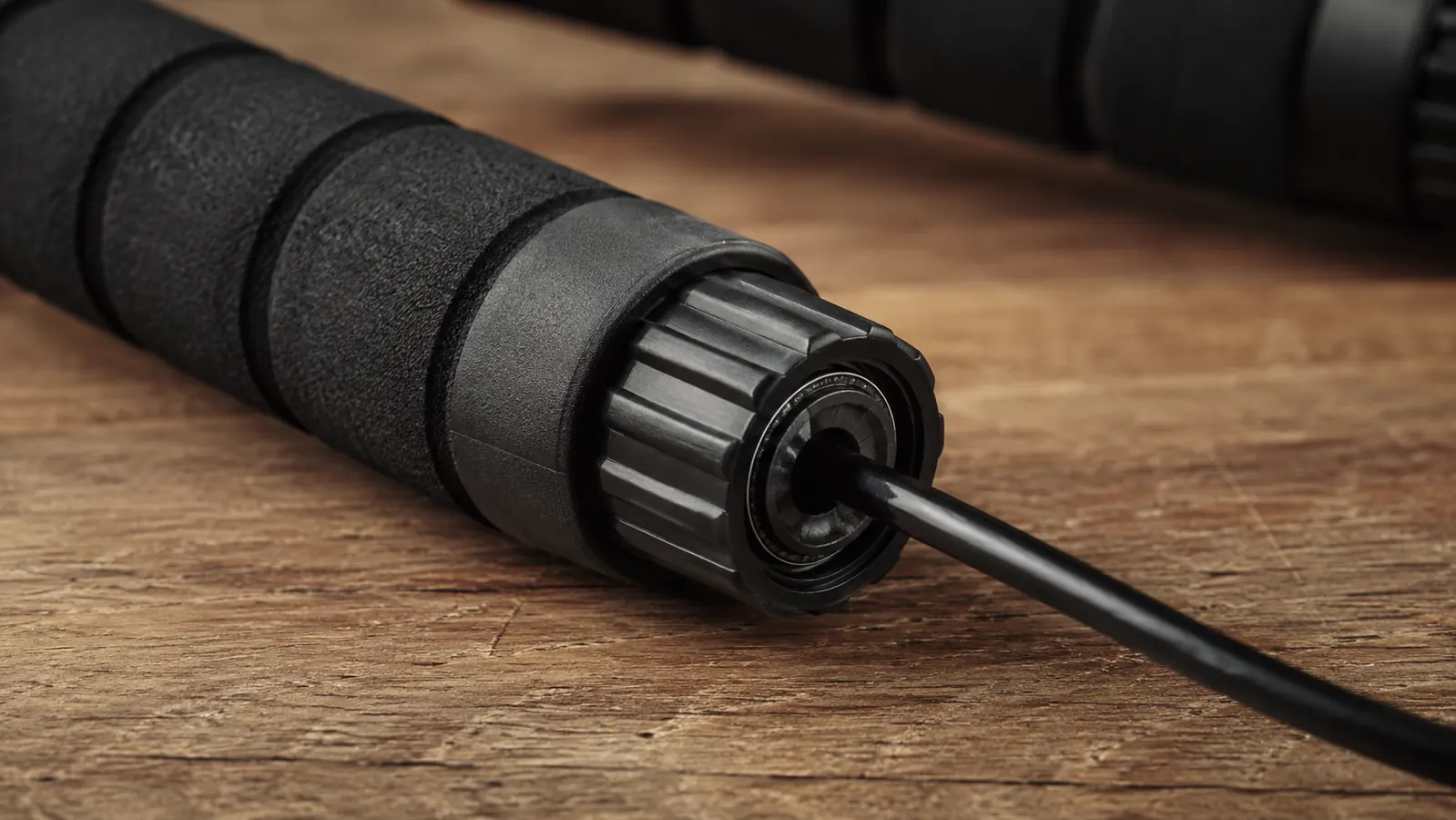
The SPORTBIT has a smooth ball-bearing mechanism inside each handle that lets the cable spin freely. That is the single most important feature in any jump rope because without a good bearing, your cable twists, tangles, and drags with every rotation. This bargain rope gets that feature right. The bearing on mine is still smooth after three months of daily use without a drop of oil or any cleaning at all. For someone like me who jumps three or four times a week as part of a home workout, the difference between this rope and a premium one is barely noticeable in actual use.
What is noticeable is the cable weight. The SPORTBIT uses a thin PVC-coated wire rather than the thicker braided nylon or solid steel cables you find on competition ropes. Thin cables are faster, which is good for speed training, but they are harder to feel in the air. You cannot sense where the cable is in the arc the same way you can with a heavier rope. For a beginner, that means you will whip yourself in the shins a few times while you learn the timing. I surely did. Mary got a good laugh out of watching me jump away from a cable I could not feel coming.
The Good: Smooth Spin, Solid Grip, Easy Adjustment
The bearing is the story here. A jump rope without a good bearing is just a piece of string with handles on both ends. The cable drags, it twists, it tangles into knots, and you spend more time untangling than actually jumping. The SPORTBIT rope does none of that. The bearing spins freely from the very first use, and it has stayed that way through hundreds of rotations on rough concrete. I was deeply skeptical that a bearing in a budget rope would last, but three months in, it still sounds and feels the same as the day I opened the plastic bag it came in.
The handles surprised me too. They are wrapped in a foam grip that gets tackier when your hands sweat rather than slipperier. I have used ropes with bare plastic handles that fly right out of your hands as soon as you start sweating, and there is nothing more frustrating than launching your equipment across the patio mid-workout. The SPORTBIT handles do not do that. They are also long enough, about five inches, that your fingers do not bunch up against the base of the handle. I have average-size hands and there is plenty of room for a comfortable grip.
Length adjustment is about as simple as it gets. The cable threads through the handle and a small screw cap holds it in place. You cut the cable to the right length for your height, thread it back through, and tighten the cap back down. It took me about two minutes from start to finish. The rope came with a little instruction card showing the right length for different heights, which was helpful because I would have guessed wrong without it. For reference, I am five-foot-ten and cut the cable so the handles reach about armpit height when I stand on the middle of the rope. That length has worked well for basic jumping and the occasional side-swing.
The Bad: Where the SPORTBIT Falls Short
Let me be honest about the downsides, because there are real ones and I want this review to be useful. The thin PVC cable is the biggest tradeoff you make at this price point. It is fast, which is good, but it is also light. With a heavier cable, you can hear when the rope is about to hit the ground and time your jump by that sound. It becomes automatic after a while. The SPORTBIT cable does not give you that same auditory feedback because it is too light to make much noise. You rely on visual cues and feel instead, which takes longer to learn and is less reliable when you are tired. I hit my ankles more times in the first week than I care to count, and I have been jumping rope on and off for years.
The cable also kinks if you store it carelessly. I hang mine on a hook by the back door and it is fine. But after the first week I left it in a drawer for a couple of days and the cable developed a memory of that folded position. Jumping with a kinked cable is annoying because it does not spin evenly and you can feel the wobble in every rotation. You can usually work the kink out by running the cable through your fingers a few times, but it is an extra step you do not have with a thicker braided rope that resists that kind of damage.
Durability is good for the price but not great in any absolute sense. The foam on one handle has developed a small crack near the base where it meets the plastic core. I noticed it sometime in the second month. It does not affect the function at all and the handle has not fallen apart, but it tells me this rope will not last years of daily use on a rough surface. I expect I will need to replace it at some point in the next six months if I keep using it this hard. At this price, that is not exactly a tragedy, but it is worth knowing going in.
What I Liked
- Smooth ball-bearing rotation that stays smooth for months without any maintenance
- Comfortable foam handles with a grip that improves as your hands start to sweat
- Easy cable length adjustment with a simple screw-cap mechanism that takes two minutes
- Lightweight and portable, takes up almost no storage space in a drawer or on a hook
- Costs less than most fast-food meals but delivers a real, measurable cardio workout
Where It Falls Short
- Thin PVC cable lacks the auditory feedback that thicker ropes give you for timing jumps
- Cable develops kinks if stored folded or left in a drawer instead of hung up
- Foam handles show minor cosmetic wear from repeated drops on concrete or hard surfaces
- Light cable feel means a noticeably longer learning curve for beginners learning timing
The biggest surprise of my whole home exercise setup is that a budget rope has a smooth ball bearing that has not slowed down in three months.
How It Compares to More Expensive Ropes
I have used a few different jump ropes over the years, so I can give you some honest comparisons. A buddy of mine is big into CrossFit and let me try his pricier RXSG rope during a visit. It had a thicker cable and a heavier feel in the handles that I noticed right away. The cable feedback was better, and the handle bearings felt roughly similar to the SPORTBIT in terms of smoothness. His rope is probably going to last longer because the cable is thicker and the handles are more ruggedly built. But in terms of how smoothly it spins and how well it performs for basic jumping, the difference was smaller than the three-times price difference would suggest.
My neighbor has a pricier WOD Nation speed rope that he uses for double-unders. That one has a coated steel cable that is noticeably heavier and gives significantly clearer feedback about where the cable is in its arc. I tried it for a full session and could immediately feel the difference in control. The cable told me exactly where it was at all times, and I could see why someone doing advanced jump rope work would prefer it. But for my purposes, which is basic steady-state and interval jumping to get my heart rate up, the SPORTBIT does about ninety percent of the same job for one-fifth the cost.
Here is what I landed on after all that testing. If you are an experienced jumper who does double-unders, crossovers, or competition-style speed work, spend the money on a premium rope built for that. If you are a normal person who wants to add a cardio tool to your home workout without spending real money, the SPORTBIT is all you need and then some. The premium rope does not make you fitter. It just feels a little nicer while you are getting fitter, and that niceness costs noticeably more.
The Bottom Line on Value
When I started building my home exercise setup, I made the same mistake a lot of people make. I thought I needed expensive equipment to get a real workout. I looked at treadmills and rowing machines and spin bikes, all costing a small fortune and taking up floor space I do not have in my house. The SPORTBIT jump rope sits in a drawer when I am not using it. It cost me less than I spend on coffee in a week. And it gives me a cardio workout that leaves me breathing hard and sweating through my shirt in fifteen minutes flat.
The best piece of home exercise equipment is the one you actually use day after day. I have expensive gear sitting in my closet that I reach for once a month if that. I reach for this jump rope almost every single day. There is a lesson in that, and it is not really about the rope. It is about lowering the barrier to entry so you actually do the work instead of finding reasons not to.
Who This Is For
The SPORTBIT jump rope is for anyone who wants to add real cardio to their home workout routine without spending real money or taking up floor space they do not have. It is for the person who is not sure they will stick with jump rope and does not want to invest in a premium rope only to find it gathering dust in a closet. It is for people like me who exercise at home in between caretaking duties, online work, and everything else life throws at them. A jump rope that costs pocket change removes every single excuse not to give it a try.
Who Should Skip It
If you are an experienced jump roper who trains seriously, this rope is probably not the right tool for you. The thin cable, while serviceable for basic jumping, lacks the weight and feedback that advanced techniques like double-unders, crossovers, and complex footwork patterns demand. A CrossFit athlete, boxer, or competitive speed jumper should buy a thicker-cabled rope designed to handle that level of work. The same goes for someone who jumps on rough surfaces every single day and needs a rope built to survive that environment for years rather than months.
Three months in, I still grab this rope every day.
The SPORTBIT jump rope is not perfect. But for the price, it is the best value in home cardio equipment I have found. If you are on the fence about adding jump rope to your routine, start here. You are out pocket change if it is not for you.
Amazon Check Today's Price on Amazon -> →